Author: Moderator ★

6

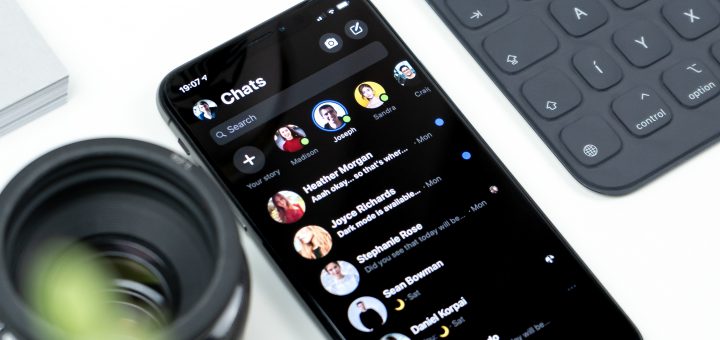
Oversocializing on Social Media

In this time of isolation and being removed from many, if not all, of your loved ones and those close to you, social media has almost become a necessity in order to connect with them. In fact, you may have seen, or even given, advice on how important it is to reach out and connect with those virtually.


0

Tackling Stigma

The topic about how stigma affects how we view mental illness is not new. The way that people talk about mental illness can not only impact how we view those with mental illness, but how we can view our own. We’ve talked about stigma several times before, because it’s important to change this mindset and the harmful effects that it can have.

0

Weekend Reads: Ramadan and Mental Health

This year, Mental Health Awareness Month overlaps with the Islamic month of Ramadan. The simplest association with Ramadan is fasting: from sunrise to sunset everyday, Muslims who are able to fast do not eat or drink anything (even water).

3

Taking Things One Day at a Time

One of the most commonly given and useful pieces of advice in regards with coping and living in quarantine has been to establish a routine. This is incredibly important! Regardless of quarantine or not, having some sort of structure in your routine and your daily activities can help the mind feel more organized, less cluttered, and less vulnerable to messy – and potentially chaotic – thinking.

0

Seizing the Awkward with Coronavirus

Seize the Awkward is a website that wants visitors to do just that: starting and having those awkward conversations about mental health and illnesses. Huge factors such as stigma and the fear of saying...

0

Navigating the Internet with Social Anxiety

It’s not uncommon to be anxious to meet new people or be in a new, unfamiliar environment. It’s also not uncommon to feel terrified before performing something in front of a crowd, whether it be alone or with others. It’s also not uncommon to even feel a little bit nervous meeting people you’re comfortable with and know pretty well.

3

How Mental Health Affects Second-Generation Adolescents

The demographics in the United States have shifted significantly. The Pew Research Center reported that there were 44.4 million immigrants living in the country in 2017, making up 13.6% of the total population. The increase in the immigrant population in the United States also means an increase in second-generation Americans – those who are born in the United States to immigrant parents (some people may also refer to these people as first-generation Americans, however).

1

Acknowledging the Good as They Occur

We’ve talked about expressing and writing down gratitude plenty of times before. No matter how big and how small, being able to name anything positive can have an impact on your mental health and wellbeing.